Holy Island of Lindisfarne: A Guide to Wildlife, History & why you should visit
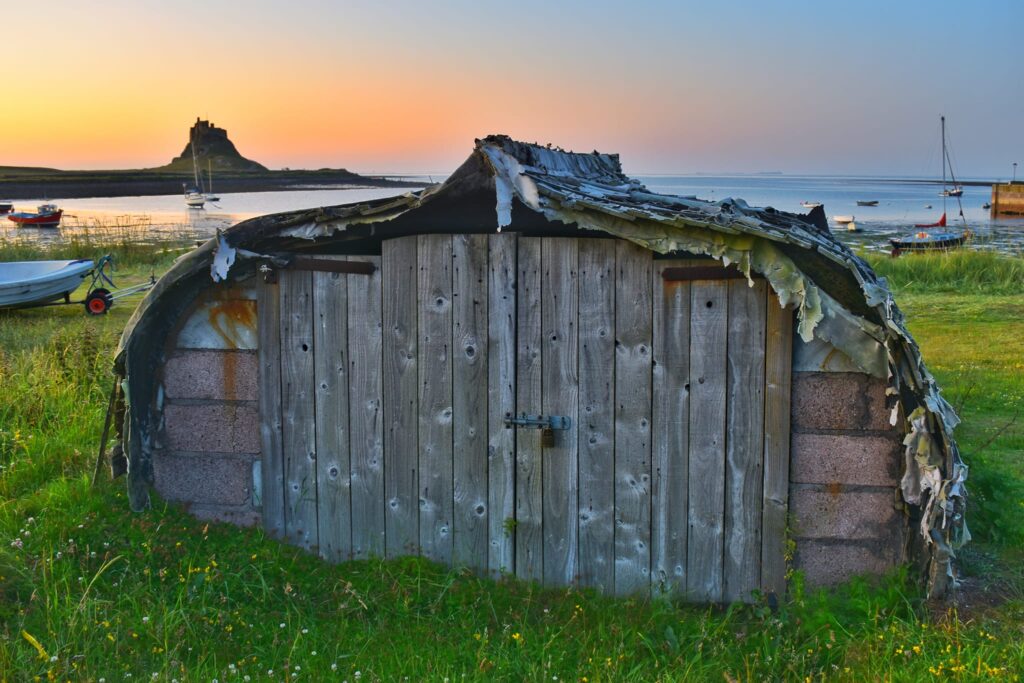
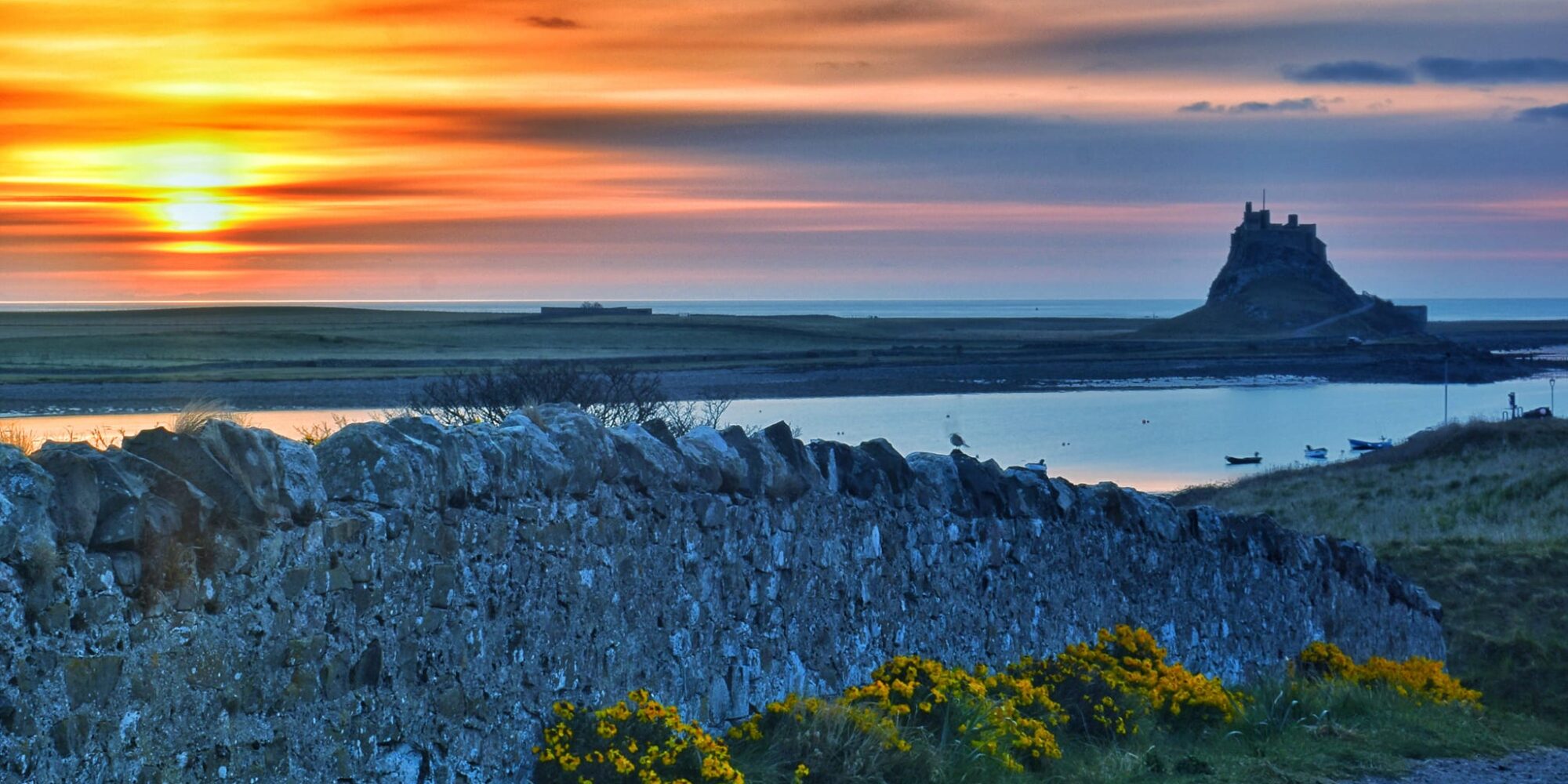
Holy Island of Lindisfarne – Credit to Darren Chapman Photography
Introduction
If you’re planning a visit to Northumberland, a trip to Holy Island of Lindisfarne is an absolute must. Known for its dramatic tidal access, fascinating history, and incredible wildlife, Lindisfarne offers one of the most unique day out experiences in the UK.
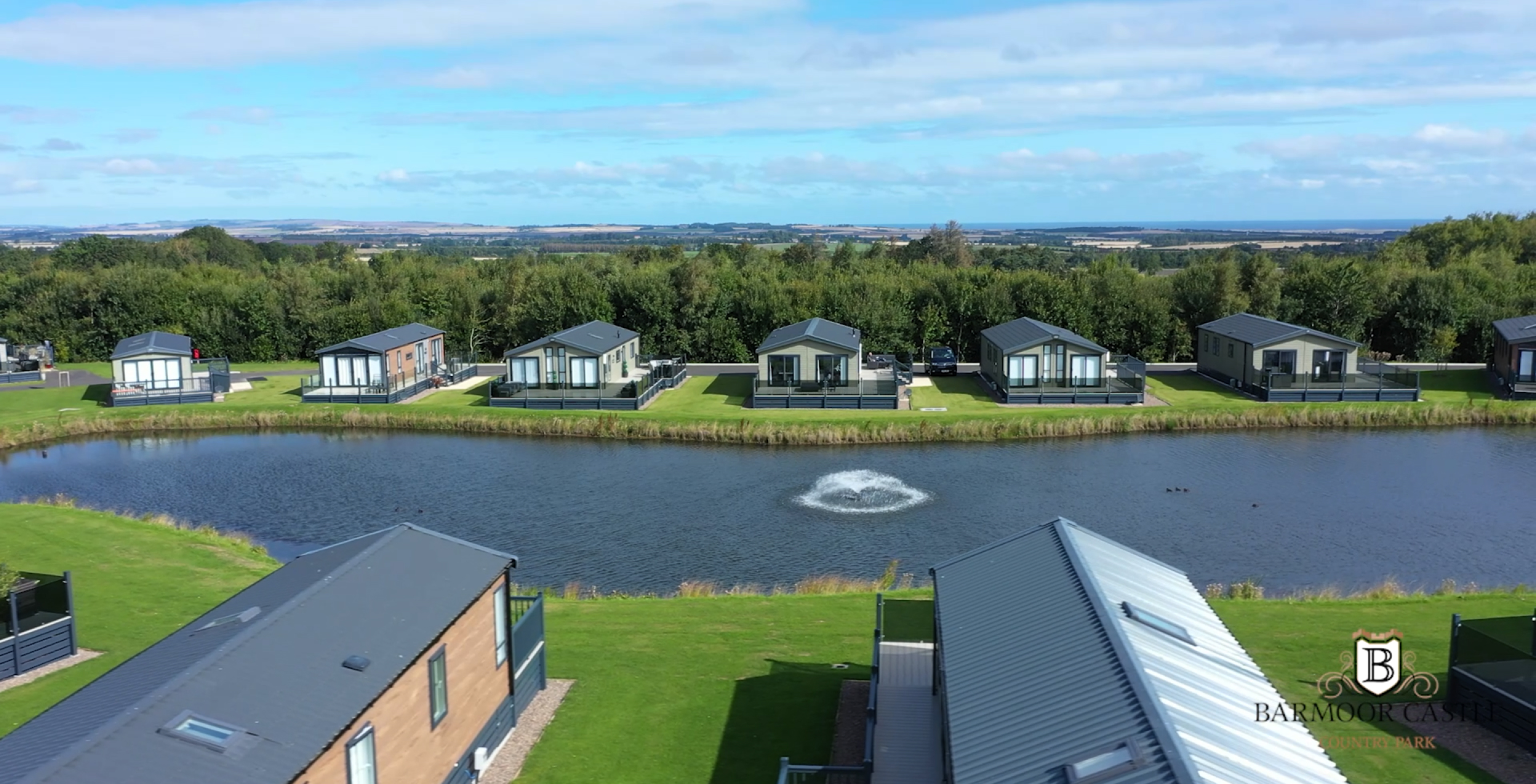
Located just a short drive from Barmoor Castle Country Park, it’s the perfect destination for our cottage guests or holiday home owners looking to explore the very best of the Northumberland coast.
A Unique Coastal Landscape in Northumberland
Holy Island sits within the Northumberland Coast Area of Outstanding Natural Beauty, an area renowned for its unspoilt scenery and rich biodiversity.
The island’s landscape is shaped by the tides, creating a mix of mudflats, salt marshes, dunes, and sandy beaches. This constantly changing environment makes every visit slightly different—and always memorable.
The island is also home to the Lindisfarne National Nature Reserve, one of the UK’s most important wildlife conservation areas.
Wildlife and Birdwatching on Lindisfarne
For nature lovers and birdwatchers, Holy Island is one of the top locations in Northumberland.
🦢 Some of the Birdlife to look out for:
- Curlews, redshanks, and oystercatchers along the tidal flats
- Light-bellied Brent geese and whooper swans during autumn & winter months
- Eider ducks and terns along the coastline
- Seasonal migratory birds arriving from Scandinavia and the Arctic
The island is particularly important during autumn and winter, when thousands of birds gather to feed and rest.
Other wildlife:
- Grey seals often spotted along the shoreline
- Coastal wildflowers and plant species unique to salt marsh habitats
- Small mammals living within the dunes
Whether you’re an experienced birdwatcher or simply enjoy being close to nature, Lindisfarne offers an exceptional wildlife experience.
The History of Holy Island
Holy Island is one of the most historically significant sites in England.
In AD 635, Saint Aidan established a monastery here, making Lindisfarne a centre of early Christianity.
The island later became famous for the creation of the Lindisfarne Gospels—one of the finest examples of early medieval art.
In AD 793, Lindisfarne was the site of one of the first Viking raids in Britain, marking a pivotal moment in history.
Today, visitors can explore:
- Lindisfarne Priory – atmospheric ruins steeped in history
- Lindisfarne Castle – a striking landmark overlooking the island
These sites bring the island’s rich heritage to life and add depth to any visit.
Visiting Holy Island: Tide Times & Access
One of the most unique aspects of visiting Lindisfarne is the tidal causeway.
The island is only accessible at low tide via a road that is covered by the sea twice daily. Visitors must always check safe crossing times before travelling.
Key tips:
- Always check official tide tables before setting off
- Allow plenty of time to cross safely
- Never attempt to cross when the tide is rising
This natural access restriction helps preserve the island’s peaceful and unspoilt character.
Why Holy Island is One of the Best Days Out in Northumberland
Holy Island of Lindisfarne offers a rare combination of:
- Outstanding natural beauty
- Exceptional birdwatching opportunities
- Fascinating historical landmarks
- A peaceful, slower pace of life
Whether you’re exploring ancient ruins, walking along quiet coastal paths, or simply taking in the views, Lindisfarne provides a truly memorable day out.
Stay Nearby at Barmoor Castle Country Park
*Staying at Barmoor Castle Country Park places you in the perfect location to explore Holy Island and the wider Northumberland coastline.
After a day discovering Lindisfarne, you can return to a peaceful and relaxing setting—ideal for unwinding and planning your next adventure.
(*Barmoor Castle Country Park is an owner-only holiday home park with an exclusive one bedroom holiday cottage within the castle courtyard, rated 5* & Guest Favourite on Airbnb. Click here for details)
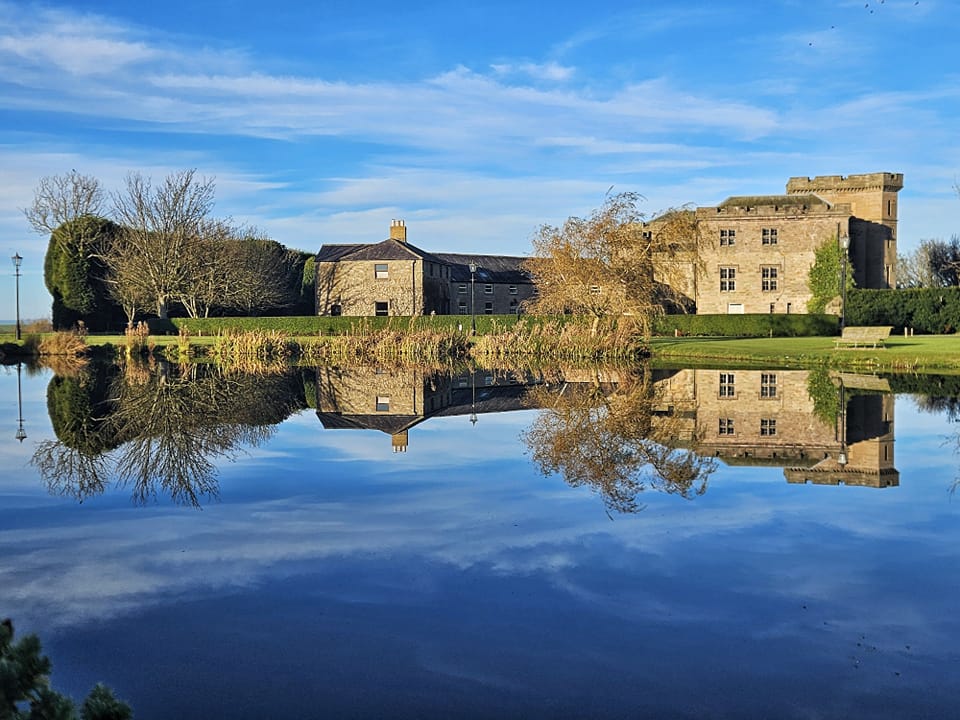
Barmoor Castle Country Park – photo credit to Darren Chapman Photography